Are you experiencing tooth loss and looking for a solution to restore your smile and confidence? Two popular options that offer significant benefits are dentures and dental implants. Both options have their advantages and considerations, and choosing the right one depends on various factors such as your oral health, budget, lifestyle, and personal preferences. In this article, we will explore the key differences between dentures and dental implants to help you make an informed decision. An immediate full denture offers a timely solution for individuals in need of immediate tooth replacement, providing a functional and aesthetically pleasing smile right after the extraction of their natural teeth.
Tooth loss can have a significant impact on one’s quality of life, affecting not only the ability to eat and speak but also self-esteem. Dentures and dental implants offer effective solutions to restore missing teeth and provide a natural-looking smile. Understanding the differences between these two options is crucial in determining which one suits your specific needs.
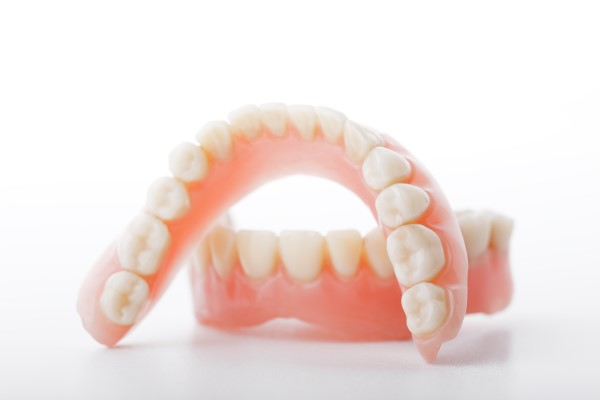
Understanding Dentures
Dentures are removable appliances that replace missing teeth and surrounding tissues. They come in two types: complete dentures and partial dentures. Complete dentures replace all the teeth in either the upper or lower arch, while partial dentures are used when some natural teeth remain.
Benefits and Drawbacks of Dentures
Dentures offer several advantages. They are a non-invasive and cost-effective solution for replacing missing teeth. Dentures can improve your ability to chew and speak, restoring functionality. They also provide aesthetic benefits, enhancing your smile and facial appearance.
However, dentures may have some drawbacks. They require regular maintenance and adjustment, as the shape of your jawbone changes over time. Dentures can sometimes slip or move while eating or speaking, causing discomfort or embarrassment. They also do not stimulate the jawbone, which can lead to bone loss over time.
Exploring Dental Implants
Dental implants are a permanent solution for replacing missing teeth. They consist of titanium posts that are surgically inserted into the jawbone, acting as artificial tooth roots. These posts provide a stable foundation for attaching customized dental crowns.
Advantages and Considerations of Dental Implants
Dental implants offer numerous advantages. They provide exceptional stability and function, allowing you to eat, speak, and smile with confidence. Implants closely resemble natural teeth, both in appearance and feel. They also stimulate the jawbone, preventing bone loss and maintaining facial structure.
However, dental implants require a surgical procedure and a healing period before the crowns can be attached. They are generally more expensive than dentures, considering the additional steps involved. Dental implants also require good oral hygiene practices and regular dental visits to ensure their longevity.
Comparing Dentures and Dental Implants
When choosing between dentures and dental implants, it’s essential to consider various factors:
- Stability and Functionality: Dental implants offer superior stability and function compared to dentures, which can sometimes shift or cause discomfort.
- Aesthetics: Dental implants provide a more natural-looking appearance since they are customized to match your existing teeth.
- Longevity: Dental implants have a longer lifespan compared to dentures. With proper care, they can last a lifetime, while dentures may require replacement after several years.
- Bone Health: Dental implants stimulate the jawbone, preventing bone loss and preserving facial structure.
- Affordability: Dentures are generally more affordable initially, while dental implants require a higher upfront investment.
Factors to Consider When Choosing
To determine which option is right for you, consider the following factors:
- Oral Health: The condition of your gums and jawbone is crucial. Dental implants require a sufficient amount of bone to support the implant posts.
- Budget: Consider your financial capabilities, as dental implants are typically more expensive than dentures.
- Lifestyle: Think about your eating habits, speaking requirements, and social interactions. Dental implants offer a more natural and secure experience for those who want the closest replacement to natural teeth.
- Maintenance: Evaluate the level of maintenance and care you are willing to commit to. Dentures require daily cleaning and periodic adjustments, while dental implants require regular oral hygiene practices and dental check-ups.
- Personal Preference: Ultimately, your preference and comfort play a significant role in the decision-making process.
Cost Comparison
The cost of dentures and dental implants can vary depending on several factors, including the number of missing teeth, materials used, additional procedures required, and location. Generally, dentures are more affordable initially, while dental implants involve a higher upfront investment. However, considering the longevity and durability of dental implants, they may be a cost-effective solution in the long run.
Maintenance and Care
Maintaining good oral hygiene is essential regardless of the option you choose. Dentures should be cleaned daily and soaked in a denture solution. Regular dental visits are also necessary for adjustments and oral health check-ups. Dental implants require regular brushing, flossing, and professional cleanings, just like natural teeth.
Longevity and Durability
Dental implants are designed to be a permanent solution and can last a lifetime with proper care. On the other hand, dentures typically require replacement after several years due to wear and changes in the jawbone.
Procedure and Recovery
Getting dentures involves taking impressions of your mouth and creating customized dentures to fit your gums. The process is non-invasive and does not require surgery. Dental implants, however, require a surgical procedure to place the implant posts into the jawbone. Following the surgery, a healing period is necessary before attaching the dental crowns.
Who is an Ideal Candidate?
Dentures are suitable for individuals with significant tooth loss or those with insufficient jawbone density to support dental implants. Dental implants are a viable option for individuals with good oral health, sufficient bone density, and a desire for a long-term, permanent solution.
Conclusion
Choosing between dentures and dental implants depends on various factors such as oral health, budget, lifestyle, and personal preferences. Dentures offer a removable and cost-effective solution, while dental implants provide a permanent and natural-looking option. Consider consulting with your dentist to determine the most suitable choice for your specific needs.