Introduction
Root canal treatment, also known as endodontic treatment, is a dental procedure performed to save a tooth that has been severely damaged or infected. It involves the removal of the infected pulp inside the tooth, followed by cleaning, disinfection, and sealing of the root canal system. Caring Childrens Dentist Boca Raton is dedicated to creating a warm and welcoming environment, ensuring that young patients receive gentle and compassionate dental care. In this article, we will provide a comprehensive understanding of the process of root canal treatment, its importance, and what to expect during the procedure.
The Need for Root Canal Treatment
Root canal treatment becomes necessary when the dental pulp, the soft tissue inside the tooth, becomes infected or inflamed. This can occur due to deep decay, a cracked or fractured tooth, repeated dental procedures on the tooth, or trauma. If left untreated, the infection can spread, leading to severe pain, abscess formation, and ultimately, the loss of the affected tooth.
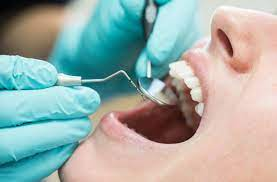
Step-by-Step Process of Root Canal Treatment
1. Examination and Diagnosis
The first step in root canal treatment is a thorough examination and diagnosis by a dentist or endodontist. They will evaluate the tooth’s condition, take X-rays to assess the extent of the infection, and determine if root canal treatment is necessary. A local anesthetic will be administered to ensure a painless procedure.
2. Accessing the Tooth
Once the tooth is numb, the dentist will create an opening in the tooth’s crown to access the infected pulp chamber and root canals. This is typically done using dental instruments, including drills.
3. Removing Infected Pulp
Specialized instruments called files are used to carefully remove the infected or damaged pulp from the tooth’s root canals. The dentist will clean and shape the canals to prepare them for the next step.
4. Cleaning and Disinfection
The root canals are thoroughly cleaned and disinfected to remove any remaining bacteria, debris, or infection. This is typically done using irrigation solutions to flush out the canals and ensure optimal cleanliness.
5. Filling the Root Canals
After the canals are cleaned and disinfected, they are filled with a biocompatible material called gutta-percha. This rubber-like material seals the canals, preventing re-infection and providing stability to the tooth.
6. Restoring the Tooth
In most cases, a tooth that has undergone root canal treatment will require a dental crown or filling to restore its strength and protect it from further damage. The dentist will discuss the appropriate restoration options based on the specific needs of the tooth.
Post-Treatment Care
After root canal treatment, it is essential to maintain good oral hygiene practices. This includes brushing and flossing regularly, as well as scheduling routine dental check-ups. Follow any additional instructions provided by your dentist or endodontist for optimal healing and recovery.
Benefits of Root Canal Treatment
Root canal treatment offers several benefits, including:
- Saving the natural tooth, preventing the need for extraction and potential complications associated with tooth loss.
- Relieving pain and discomfort caused by the infection.
- Restoring normal chewing and biting function.
- Maintaining a natural appearance, preserving the aesthetics of the smile.
Conclusion
Root canal treatment is a vital dental procedure that can save a severely damaged or infected tooth. By understanding the step-by-step process and the importance of this treatment, individuals can make informed decisions about their oral health. If you experience tooth pain or suspect an infection, consult with a dental professional who can assess your condition and determine if root canal treatment is necessary.