Fashion is not just about clothing; it is a form of self-expression that can profoundly impact our emotions and mindset. The field of fashion psychology explores the powerful relationship between what we wear and how we feel. Our outfit choices can influence our mood, confidence, and even behavior, shaping our interactions with others and the world around us. For a touch of glitz and glamour, you can’t go wrong with a Belt with rhinestones, perfect for adding a dazzling statement to your ensemble. In this article, we will delve into the fascinating world of fashion psychology and uncover how your wardrobe can be a key to unlocking positive emotions and enhanced self-assurance.
1. The Psychology of Colors
Colors play a significant role in fashion psychology, as they have the ability to evoke various emotions and feelings. For example:
- Red: Often associated with passion and energy, wearing red can boost your confidence and attract attention.
- Blue: A calming and trustworthy color, blue can help reduce stress and promote a sense of tranquility.
- Yellow: Symbolizing happiness and optimism, yellow can elevate your mood and bring a sense of joy.
- Black: Conveying sophistication and authority, black can make you feel empowered and in control.
- Green: Associated with nature and growth, green can promote a feeling of balance and harmony.
By understanding the psychology of colors, you can strategically choose outfits that align with your desired mood and demeanor.
2. The Impact of Clothing Silhouettes
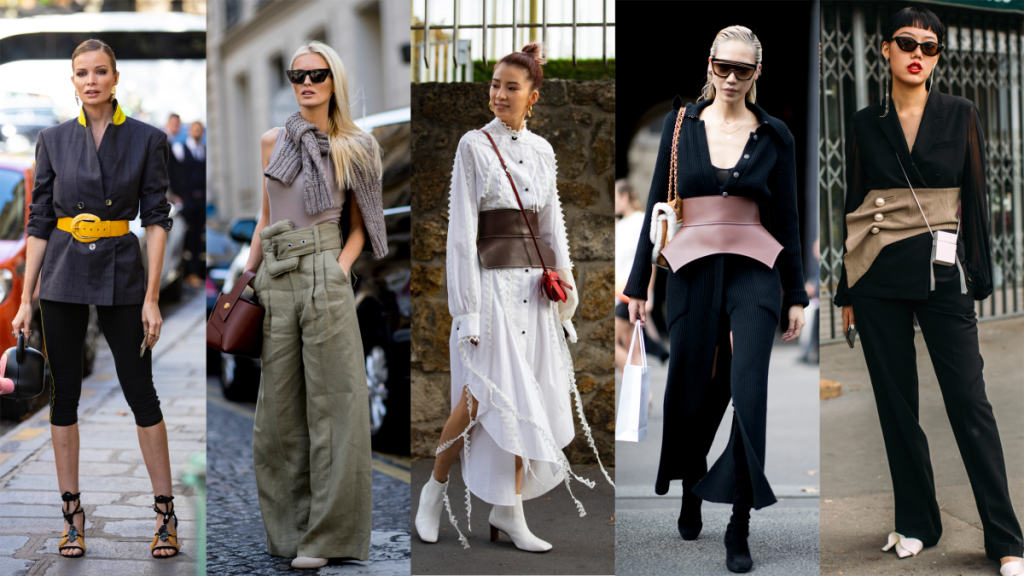
The silhouette of your clothing can also influence your mood and body image. Wearing well-fitted and flattering clothes can boost your confidence and self-esteem. When you feel comfortable and confident in your outfit, you are more likely to project a positive and assertive demeanor.
3. Dressing for Success: The Power of Power Dressing
The concept of power dressing revolves around wearing clothing that empowers and instills a sense of authority. For example, a tailored suit or a crisp blazer can boost your confidence in professional settings. Power dressing not only influences how others perceive you but also impacts how you perceive yourself, fostering a sense of competence and control.
4. Emotional Significance of Personal Style
Your personal style reflects your identity and values, and wearing clothes that resonate with your sense of self can have a profound emotional impact. Embracing your personal style allows you to feel authentic and genuine, fostering a positive self-image and bolstering your self-assurance.
5. The “Enclothed Cognition” Phenomenon
“Enclothed cognition” refers to the psychological phenomenon where what you wear can influence your cognitive processes and behavior. For instance, wearing athletic clothing can motivate you to engage in physical activity, while wearing formal attire can enhance your focus and attention to detail. This phenomenon showcases the psychological power of clothing and how it can prime our minds for specific actions and mindsets.
6. The Role of “Lucky” Outfits
Many people have specific outfits they consider “lucky” or associated with positive experiences. Wearing these outfits can create a sense of optimism and confidence, as they are emotionally tied to previous successful or happy moments. The emotional connection to “lucky” outfits can provide a psychological boost and enhance your mood when you wear them.
7. The Therapeutic Aspect of Fashion
Fashion can have therapeutic effects on our emotional well-being. Dressing up and wearing clothes that make us feel good can serve as a form of self-care and mood enhancement. Taking the time to curate outfits that make you feel confident and joyful can positively impact your overall mental state.
8. The Social Aspect: Fashion and Perception
Fashion psychology also delves into the social implications of clothing choices. Our outfits can influence how others perceive and interact with us. Dressing appropriately for different occasions can help you feel more at ease in social settings, leading to improved communication and stronger connections with others.
Conclusion
Fashion psychology highlights the intricate relationship between our outfit choices and our emotional and psychological well-being. The colors, silhouettes, and styles we wear can profoundly impact our mood, confidence, and behavior. By understanding the psychological aspects of fashion, we can harness its power to cultivate positive emotions, enhance self-assurance, and project our authentic selves to the world. Fashion is more than a superficial indulgence; it is a means of self-expression, empowerment, and connection with ourselves and others.