The air we breathe is essential to our well-being, influencing our health, comfort, and overall quality of life. In recent times, the increasing popularity of vaping has introduced new challenges to maintaining air purity and ensuring a safe indoor environment. Vaping, once considered harmless, can release aerosols that compromise indoor air quality and potentially impact respiratory health. To address these concerns, innovative solutions like vape smoke detectors have emerged as crucial tools in guarding air quality and promoting healthier living spaces. This article explores the vital function of vape smoke detectors, their mechanisms, benefits, challenges, and the transformative impact they have on ensuring air quality and creating environments that prioritize the well-being of occupants.
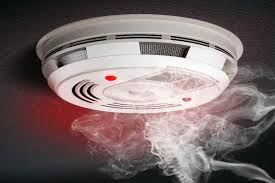
Vaping’s Invisible Threat: Air Quality Under Siege
Vaping’s prevalence has infiltrated indoor spaces, casting doubt on the purity of the air we breathe. The aerosols emitted by vaping devices contain potentially harmful substances, posing a threat to indoor air quality and the respiratory health of individuals.
Guardians of Air Quality: The Power of Vape Smoke Detectors
Vape smoke detectors stand as vigilant guardians, employing advanced technology to ensure the purity of indoor air quality and the health of occupants. These sophisticated systems utilize various methods to detect and address vaping incidents:
- Chemical Analysis: Equipped with specialized sensors, vape smoke detectors meticulously analyze indoor air composition, detecting volatile organic compounds (VOCs) and other markers associated with vaping aerosols.
- Sound Recognition: Leveraging state-of-the-art algorithms, vape smoke detectors can identify the unique auditory signatures of vaping devices, promptly alerting occupants to potential vaping activities.
- Visual Monitoring: Certain vape smoke detectors incorporate video analysis to detect visual cues indicative of vaping behaviors, enhancing their accuracy and effectiveness.
Elevating Indoor Spaces through Vape Smoke Detectors
The integration of vape smoke detectors within indoor spaces offers a range of benefits, all contributing to the promotion of cleaner and healthier indoor environments:
- Preservation of Air Quality: Vape smoke detectors play a pivotal role in maintaining clean indoor air quality, reducing potential health risks linked to inhaling vaping aerosols.
- Protection of Respiratory Health: By discouraging vaping, these systems safeguard the respiratory well-being of occupants, creating a safer and more comfortable environment.
- Promotion of Informed Discussions: Vape smoke detectors encourage informed conversations about the dangers of vaping, empowering individuals to make health-conscious choices.
- Data-Driven Insights: The data collected by vape smoke detectors offer valuable insights into vaping patterns, enabling timely interventions to address emerging concerns.
Challenges and Ethical Considerations
While vape smoke detectors offer a promising solution, they also raise important considerations:
- Privacy and Consent: The utilization of detection technology, particularly video analysis, requires careful attention to privacy and consent matters within the monitored space.
- Technical Precision: Achieving accurate detection while minimizing false alerts remains a technical challenge in the realm of vape smoke detection technology.
- Ethical Reflections: The introduction of surveillance technology prompts ethical discussions about its impact on privacy, trust, and personal autonomy.
Promoting Healthy Environments: A Shared Commitment
Vape smoke detectors symbolize more than just technological innovation; they embody a commitment to fostering indoor spaces that prioritize air quality, health, and well-being:
- Empowered Decision-Making: The presence of vape smoke detectors raises awareness about the risks of vaping, empowering individuals to make informed, health-conscious choices.
- Strengthened Connections: Vape smoke detectors foster open dialogues about health and well-being, enhancing connections and shared responsibilities among occupants.
- Collective Protection: By embracing vape smoke detection technology, indoor spaces unite to mitigate the influence of vaping, prioritizing the purity, safety, and unity of their environment.
Conclusion
“Guarding Air Quality: The Role of Vape Smoke Detectors” encapsulates a proactive approach to preserving indoor air quality and promoting the well-being of occupants. As indoor spaces aspire to be sanctuaries of health, tranquility, and productivity, vape smoke detectors emerge as steadfast allies in ensuring cleaner air and healthier lifestyles. Amid challenges, these systems hold the potential to empower occupants, foster communication, and shape a future where indoor spaces flourish as havens of air quality, harmony, and shared responsibility.