Macro photography is like stepping into a world of enchantment, where even the tiniest details reveal captivating beauty. This specialized genre allows you to explore and capture the intricate textures, patterns, and colors of small subjects that often go unnoticed by the naked eye. Whether enhancing colors, correcting exposure, or adding artistic flair, presets for lightroom provide a quick and efficient way to transform photographs. In this guide, we’ll dive into the captivating world of macro photography and share tips for capturing the magic of the small.
1. Equipment: Getting Up Close
To embark on your macro photography journey, you’ll need specialized equipment. A macro lens with a 1:1 magnification ratio is ideal, allowing you to capture subjects at their actual size. If a macro lens is not available, extension tubes or close-up filters can help you achieve macro-like results with your existing lenses.
2. Choosing Subjects: Exploring the Miniature World
In macro photography, the world around you transforms into a universe of intricate details. Look for subjects that have interesting textures, patterns, and colors. Flowers, insects, water droplets, and everyday objects like coins or fabrics can become extraordinary when viewed up close.
3. Depth of Field: Navigating the Challenge
Achieving a shallow depth of field is common in macro photography, as you’re working in close proximity to your subject. This can create stunning images with a blurred background, but also presents a challenge in ensuring that your subject is entirely in focus. Experiment with aperture settings to find the right balance between depth of field and subject sharpness.
4. Lighting: Shedding Light on Details
Lighting plays a crucial role in macro photography. Natural light can work beautifully, especially during the golden hours or on overcast days when the light is soft and diffused. For controlled lighting, consider using diffusers to soften harsh sunlight or reflectors to bounce light onto your subject.
5. Composition: Crafting Mini Masterpieces
Composing macro shots requires careful consideration of the subject’s placement within the frame. Use the principles of composition, such as the rule of thirds and leading lines, to create visually appealing images. Experiment with different angles and perspectives to capture unique viewpoints.
6. Stability: Eliminating Camera Shake
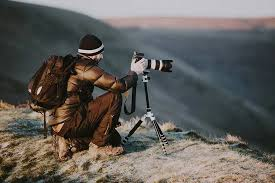
The close proximity to your subject magnifies any camera movement, resulting in blurry images. Use a sturdy tripod to stabilize your camera and maintain sharpness. If your subject is subject to even the slightest breeze, consider using a remote shutter release or the camera’s timer function to prevent camera shake.
7. Patience and Observation: Uncover Hidden Stories
Macro photography demands patience and observation. Take the time to study your subject closely, observing its details and behavior. Capturing the moment when an insect alights on a flower or when a dewdrop forms on a leaf requires attentiveness and anticipation.
8. Post-Processing: Enhancing Small Wonders
Post-processing can elevate your macro images by refining colors, contrast, and sharpness. Focus stacking is a technique where multiple images taken at different focus distances are combined to achieve a greater depth of field. Experiment with post-processing tools to bring out the intricate details you’ve captured.
In conclusion, macro photography invites you to explore a hidden world of beauty and wonder. Through careful observation, attention to detail, and creative composition, you can capture the magic of the small and reveal the extraordinary in the seemingly ordinary. Remember that every tiny subject has a unique story to tell, waiting to be discovered through your lens.