Tattoos have evolved beyond being mere decorations on the skin; they now serve as powerful mediums for conveying personal beliefs, stories, and even political statements. While tattoos have a long history as cultural and spiritual symbols, they have also become vehicles for advocating for social change, challenging norms, and expressing dissent. In this context, tattoos transcend aesthetics, becoming poignant tools for personal and societal transformation. With a user-friendly interface, navigating https://tattoochronic.com is a seamless experience.
Personal Expression and Identity
Tattoos are deeply personal choices that allow individuals to express their innermost thoughts, beliefs, and values. Through carefully chosen symbols, phrases, or images, people can convey their identities and affiliations to the world. Whether it’s a feminist icon, a quote that resonates with one’s worldview, or a depiction of an underrepresented community, tattoos provide a permanent and visual representation of who we are and what we stand for.
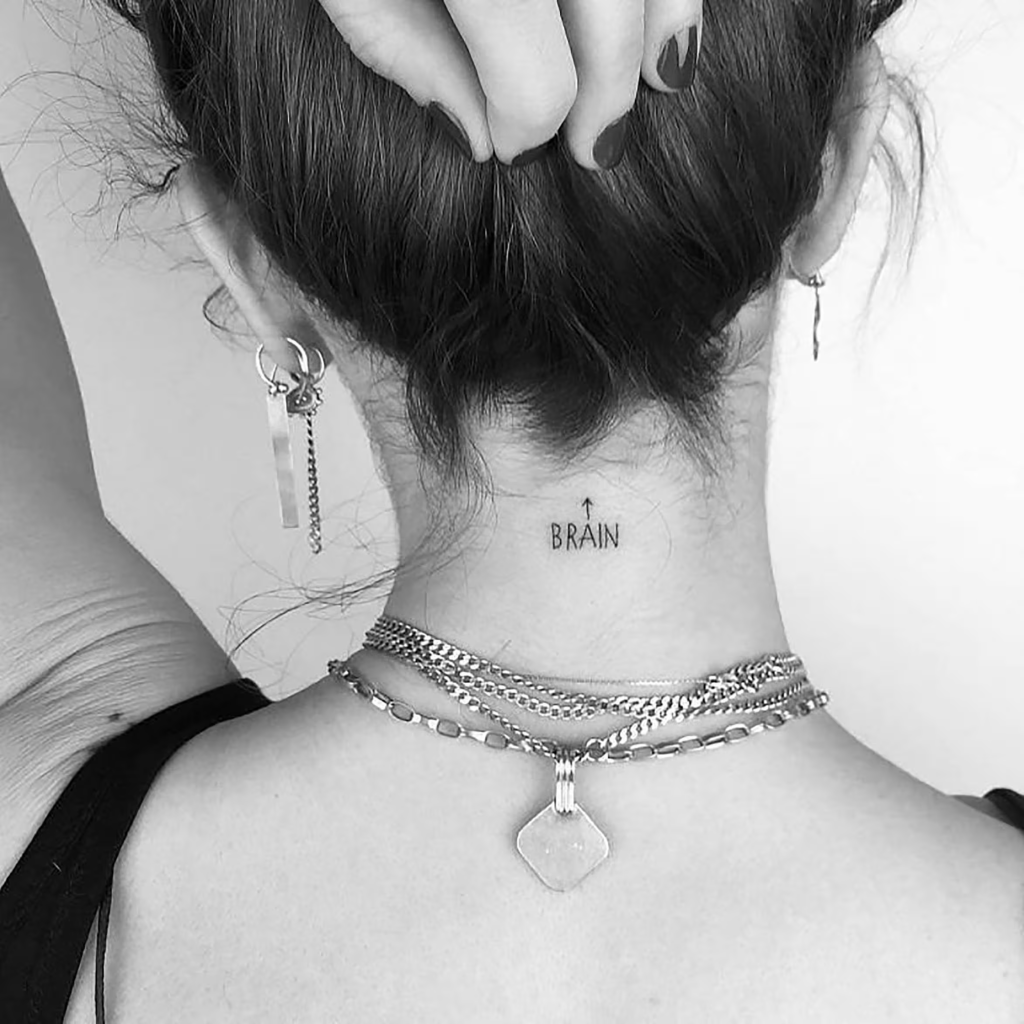
Tattoos become a way of reclaiming ownership of one’s body and image, asserting that personal identity should not be subject to societal norms or expectations. This form of self-expression empowers individuals to challenge conventional beauty standards and embrace their unique selves, both inside and out.
Amplifying Marginalized Voices
Tattoos have also become a powerful way for marginalized communities to amplify their voices and reclaim narratives that have been historically suppressed or misrepresented. People from various backgrounds use tattoos to celebrate their heritage, challenge stereotypes, and foster a sense of community.
For example, indigenous individuals may choose tattoos that honor their ancestral traditions, effectively reclaiming their cultural practices that were once suppressed by colonial forces. Similarly, members of the LGBTQ+ community may ink symbols that express their pride and resilience, carving out spaces for themselves within a society that has not always been accepting.
Tattoos for Social Change
Tattoos have transcended personal statements to become vehicles for social change and political activism. People are increasingly using tattoos to raise awareness about important issues and advocate for positive transformation. Climate symbols, social justice icons, and phrases related to equality and human rights are all being inked onto skin to send powerful messages.
A tattoo advocating for a specific cause becomes a lifelong commitment to that cause, a walking billboard for change. Whether it’s a call for environmental sustainability, racial justice, or gender equality, tattoos act as constant reminders of the wearer’s dedication to creating a better world.
Cultural Preservation and Resistance
Tattoos are also a means of cultural preservation and resistance against erasure. In communities where cultural practices and languages have been threatened, tattoos serve as living testaments to cultural heritage. Traditional symbols and motifs are inked onto skin as a way to keep ancestral stories alive and maintain connections to one’s roots.
In some cases, tattoos have been used as tools of resistance against oppressive regimes. For instance, during periods of colonization, indigenous communities have used tattoos to maintain a sense of identity and resist cultural assimilation. Tattoos thus become acts of defiance and resilience against cultural oppression.
Tattoos as Conversation Starters
Tattoos that carry personal or political meanings often serve as conversation starters. The visibility of tattoos can prompt discussions about important issues, sparking meaningful dialogues between wearers and those around them. This form of engagement can foster understanding, empathy, and even change perceptions.
Tattoos, once hidden beneath clothing, now provide a visible and accessible platform for sharing stories and insights. They open doors to conversations that may not have occurred otherwise, contributing to a more empathetic and informed society.
Conclusion
The evolution of tattoos from aesthetic decorations to platforms for personal and political expression is a testament to their enduring significance. Tattoos have the power to reshape perceptions, challenge norms, and inspire positive change. They serve as permanent reminders of our stories, beliefs, and commitments, making a lasting impact beyond the surface of the skin. As individuals continue to embrace tattoos as meaningful forms of expression, the boundaries of their potential for personal and societal transformation continue to expand.