The journey of multiplayer online games spans several decades, reflecting the evolution of technology, player preferences, and the gaming industry as a whole. From humble beginnings with Pong to the global phenomenon of games like Fortnite, the history of multiplayer online gaming is a testament to innovation, creativity, and the power of human connection in the digital age. The voj8 intuitive matchmaking system ensures that players are matched with opponents of similar skill levels. In this article, we’ll take a chronological journey through the key milestones that have shaped the evolution of multiplayer online games.
1. Pioneering Beginnings (1970s-1980s)
The roots of multiplayer online gaming can be traced back to early arcade and console games like Pong and Space Invaders. These games laid the foundation for social gaming experiences, allowing players to compete and cooperate in local multiplayer setups.
2. The Emergence of LAN Parties (1990s)
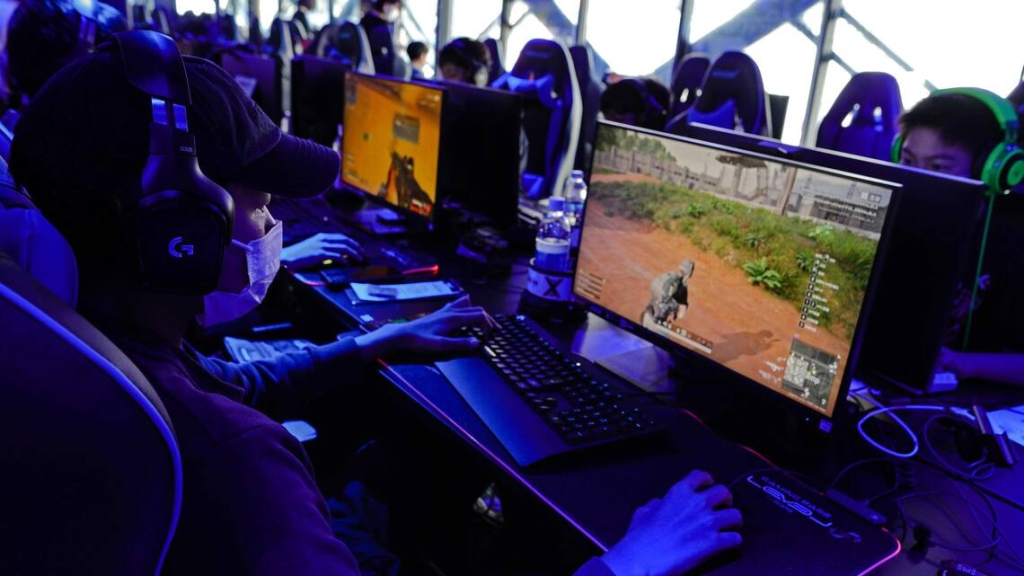
The 1990s witnessed the rise of LAN (Local Area Network) parties, where players connected their computers for multiplayer gaming. Games like Doom, Quake, and Warcraft II became synonymous with late-night LAN gatherings, introducing players to the excitement of competing against friends in real time.
3. MMOs and Online Communities (Late 1990s-2000s)
The late 1990s brought the era of Massively Multiplayer Online (MMO) games, with titles like Ultima Online and EverQuest captivating players with vast virtual worlds and social interactions. These games created online communities where players could form alliances, complete quests, and explore together.
4. Rise of Online Console Gaming (2000s)
The introduction of online capabilities in gaming consoles, such as Xbox Live and PlayStation Network, revolutionized online multiplayer experiences. Games like Halo and Call of Duty popularized online competitive and cooperative gameplay on consoles.
5. Explosion of Online Multiplayer (2010s)
The 2010s marked a period of explosive growth for online multiplayer gaming. The rise of mobile gaming and the proliferation of free-to-play titles like League of Legends and Dota 2 brought multiplayer experiences to a broader audience.
6. Battle Royale Phenomenon (2010s)
The late 2010s saw the emergence of the battle royale genre, led by games like PlayerUnknown’s Battlegrounds (PUBG) and Fortnite. These games introduced large-scale, last-person-standing gameplay that captured the attention of millions worldwide.
7. Cross-Platform Play and Cloud Gaming (2020s)
Advancements in technology enabled cross-platform play, allowing players on different devices to join forces seamlessly. Cloud gaming services like Google Stadia and Xbox Cloud Gaming expanded the accessibility of online multiplayer games.
8. Social Gaming and Virtual Reality (2020s)
Social gaming experiences, driven by platforms like Roblox and Among Us, have redefined how players interact and collaborate online. Virtual reality (VR) also brought a new dimension to multiplayer gaming, allowing players to immerse themselves in shared virtual spaces.
9. Esports and Competitive Scene (2020s)
The competitive gaming scene, or esports, has soared to new heights in the 2020s. Online multiplayer games like League of Legends, Counter-Strike: Global Offensive, and Overwatch have become staples of professional gaming tournaments with massive global audiences.
10. The Future of Multiplayer Online Gaming
The future of multiplayer online gaming promises even more innovation and integration. As technology advances, we can anticipate more immersive virtual worlds, seamless cross-platform experiences, and groundbreaking ways for players to connect and compete.
In conclusion, the evolution of multiplayer online games showcases the remarkable journey from simple local multiplayer setups to global gaming phenomena. From LAN parties to the battle royale revolution, each era has left an indelible mark on the gaming landscape, shaping how players interact, compete, and forge connections in the digital realm. As the gaming industry continues to evolve, one thing remains clear: the evolution of multiplayer online games is a testament to the enduring power of human interaction and shared experiences in the world of gaming.