Harvesting Innovation: Exploring Indoor Farming Techniques
“Harvesting Innovation: Exploring Indoor Farming Techniques” encapsulates the dynamic and cutting-edge nature of indoor farming methods that are revolutionizing the agricultural landscape. Indoor farming involves a range of innovative techniques that enable the cultivation of crops within controlled environments. These techniques offer solutions to various challenges faced by traditional agriculture and pave the way for a more sustainable and efficient future of food production.
Here’s a deeper dive into some of the indoor farming techniques that could be explored with the Best Blogs on indoor farming
Hydroponics: Hydroponics is a technique that involves growing plants in nutrient-rich water solutions, eliminating the need for soil. This method allows for precise control over nutrient levels, water usage, and pH, resulting in faster growth and higher yields.
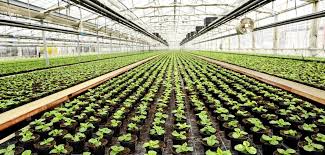
Aeroponics: In aeroponics, plants are grown in an air or mist environment with nutrient-rich water sprayed directly onto their roots. This technique promotes efficient nutrient absorption and can lead to even faster growth rates compared to hydroponics.
Aquaponics: Aquaponics combines fish farming (aquaculture) with hydroponics. Fish waste provides nutrients for plants, while the plants filter and clean the water for the fish. This symbiotic relationship results in a closed-loop system that minimizes waste and resource consumption.
Vertical Farming: Vertical farming involves cultivating crops in stacked layers, often in tower-like structures. This technique maximizes space utilization, making it particularly suitable for urban environments with limited land availability.
Indoor LED Lighting: Advanced LED lighting systems are tailored to provide specific light spectra optimized for plant growth. By adjusting light intensity, duration, and color, indoor farmers can control plant development, flowering, and fruiting.
Climate Control: Controlled environment agriculture relies on precise control of temperature, humidity, and CO2 levels. These controlled conditions create optimal growth environments, independent of external weather variations.
Nutrient Management: Indoor farming allows for precise control over nutrient delivery, which can lead to better nutrient uptake by plants and reduced nutrient wastage.
Data-Driven Farming: Indoor farming leverages data analytics and sensors to monitor plant health, growth patterns, and environmental conditions. This information enables farmers to make data-driven decisions for optimizing yields and resource usage.
Automation and Robotics: Robotics can perform tasks such as planting, pruning, and harvesting with precision and consistency, reducing the need for manual labor and increasing efficiency.
Urban Agriculture: Indoor farming aligns well with the concept of urban agriculture, bringing food production closer to consumers in cities and reducing the carbon footprint associated with long-distance transportation.
Biotechnology and Genetic Engineering: Advances in biotechnology enable the development of crops with specific traits suited for indoor farming environments, such as faster growth rates, increased disease resistance, and enhanced nutritional content.
Sustainable Practices: Indoor farming techniques inherently use fewer resources, such as water and land, compared to traditional farming. This aligns with sustainability goals and reduces the pressure on natural ecosystems.
“Harvesting Innovation: Exploring Indoor Farming Techniques” underscores the transformative potential of indoor farming in shaping the future of agriculture. As technology continues to evolve and our understanding of plant biology deepens, indoor farming techniques will likely continue to advance, contributing to a more resilient, sustainable, and productive global food system.