As environmental concerns take center stage, the construction industry is undergoing a profound transformation towards sustainability and eco-friendliness. Eco-friendly cladding solutions are becoming increasingly popular, offering architects, builders, and property owners the opportunity to create structures that are not only aesthetically pleasing but also environmentally responsible. For all your facade and cladding needs, visit a1facades.co.uk and explore their comprehensive range of high-quality products and services to elevate the aesthetic appeal and performance of your building projects. In this article, we will explore how eco-friendly cladding suppliers are leading the way in the green revolution, setting new standards for sustainable construction practices.
Embracing Sustainable Materials
Eco-friendly cladding suppliers are committed to sourcing and providing sustainable materials for construction. These materials are often chosen for their low environmental impact, recyclability, and renewable nature. By promoting the use of sustainable materials, suppliers play a crucial role in reducing the construction industry’s carbon footprint.
1. Reclaimed Wood
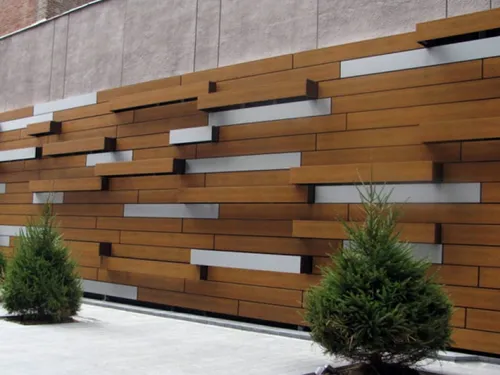
Reclaimed wood is a prime example of sustainable cladding material. By salvaging wood from old structures or repurposing discarded wood, cladding suppliers help reduce the demand for virgin timber and prevent deforestation. Reclaimed wood cladding adds a rustic and authentic charm to buildings, showcasing the beauty of aged and weathered wood.
2. Recycled Metal
Recycled metal cladding, such as aluminum and steel, is gaining popularity for its eco-friendly attributes. Using recycled metal reduces energy consumption and greenhouse gas emissions compared to producing new metal. Additionally, metal cladding is durable and can be recycled again at the end of its lifecycle, making it a sustainable choice for building exteriors.
3. Bamboo Fiber Composite
Bamboo fiber composite cladding is a renewable and rapidly renewable material that is gaining recognition for its environmental benefits. Bamboo grows quickly and regenerates without the need for replanting, making it an abundant and sustainable resource. Its use in composite cladding provides an eco-friendly alternative to traditional wood-based materials.
Energy Efficiency and Insulation
Eco-friendly cladding suppliers recognize the importance of energy efficiency in buildings. Proper insulation and cladding systems contribute to reducing energy consumption for heating and cooling, leading to lower greenhouse gas emissions and reduced energy bills.
1. Thermal Insulated Cladding
Thermal insulated cladding systems are designed to enhance a building’s energy efficiency by providing an additional layer of insulation. These systems help regulate indoor temperatures, reducing the need for excessive heating or cooling and promoting sustainable energy practices.
2. Living Green Walls
Living green walls, also known as vertical gardens, offer natural insulation benefits. These installations of plants on the exterior walls improve thermal performance by providing shade and cooling effects during hot weather. Living green walls also aid in air purification and create a healthier indoor environment.
Durability and Longevity
Eco-friendly cladding suppliers prioritize durable and long-lasting materials that require minimal maintenance and replacement. A durable cladding system not only reduces waste generation but also ensures that buildings maintain their aesthetic appeal and functionality for years to come.
1. High-Performance Composites
High-performance composite materials, such as fiber cement and engineered wood, offer exceptional durability and weather resistance. These materials are engineered to withstand harsh environmental conditions, providing a long lifespan without compromising on aesthetics.
2. Weather-Resistant Coatings
Eco-friendly cladding suppliers offer weather-resistant coatings that protect the cladding materials from wear and tear. These coatings add an extra layer of protection, extending the lifespan of the cladding while reducing the need for frequent replacements.
Responsible Manufacturing and Production
In the green revolution, eco-friendly cladding suppliers adhere to responsible manufacturing and production practices. This includes reducing waste, minimizing water usage, and employing energy-efficient production methods.
Conclusion
The green revolution in the construction industry is driving a shift towards eco-friendly cladding solutions. These materials and systems not only promote sustainable building practices but also contribute to energy efficiency, durability, and responsible manufacturing. Eco-friendly cladding suppliers are leading the way in providing innovative and environmentally conscious options for architects, builders, and property owners.