A comprehensive Certified machine safety services will provide your company with several benefits. For instance, it will help your company lower the incident rate and reduce the citations. It will also lower your insurance premiums and improve the overall effectiveness of your equipment. It will also help your company reduce operational and engineering costs. Developing a machine safety program requires many steps. First, you need to identify the stakeholders and audience you are targeting.
Miscellaneous Aids
Miscellaneous aids are protective devices that help protect both operators and other personnel in the immediate vicinity of operating machines. They include shields, holding tools, and push sticks. These devices prevent employees from coming in contact with machine hazards and can help prevent injuries. Some of these devices may be used to protect the operator’s hands while wearing gloves.
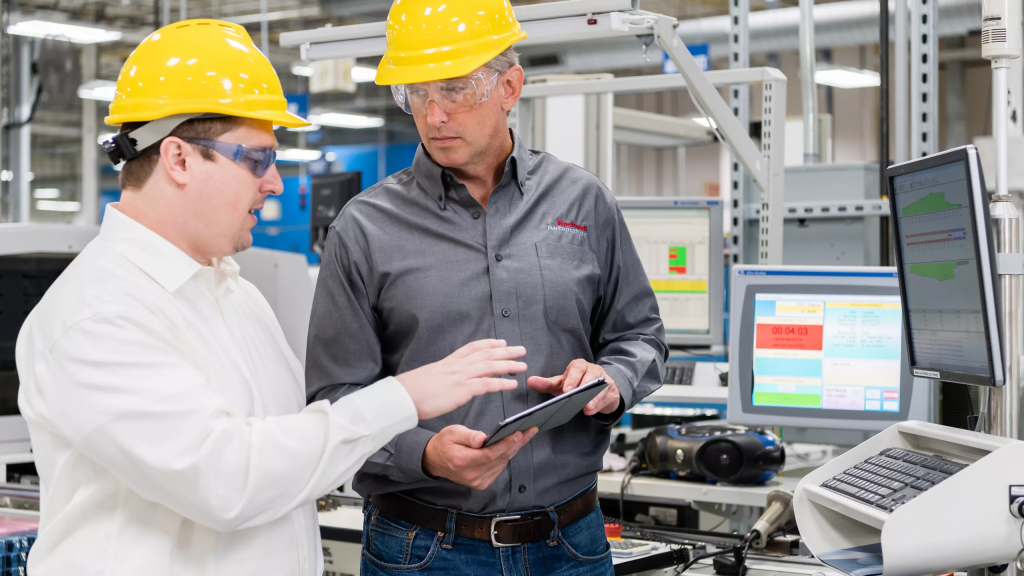
In general, safety professionals determine which safety aids are necessary for each machine in a facility. This is based on the type of operation, material size, shape, and handling, and physical layout of the work area. In addition to considering these factors, safety professionals must also understand the operation procedures of each machine.
Fixed guards
Fixed guards are an important part of a machine safety program. These devices provide a complete barrier to moving parts so that workers cannot touch them and pose a hazard. They must be installed securely on machine tools and should be made of durable materials. Additionally, they should prevent falling objects from entering the danger zone.
Fixed guards must be used correctly and trained employees should follow them. Using a machine that does not have a proper guard will significantly increase the risk of injury. In addition, a worker’s safety depends on the proper housekeeping of the machine. If a machine needs repair, it is critical to notify the supervisor immediately. Proper maintenance can also help prevent injuries.
Pinch Points
Pinch Points are hazards caused by unguarded moving parts that could trap a worker’s finger. These hazards can be easily prevented by proper guarding and maintenance. Pinch point injuries can be particularly serious if workers reach into machines without the proper protection. To prevent these injuries, workers should never reach into machines and must be trained before operating them. If workers are not trained to properly operate machines, they should always ask their supervisor for instructions or clarification.
Pinch point hazards can occur on many different types of machines, from large hydraulic presses to small specialized machines. They can cause severe or fatal injuries and can even result in permanent disability.
Emergency shutdown procedures
Including emergency shutdown procedures in a machine safety program can be a crucial part of ensuring operational safety and quality. The shutdown process involves multiple resources that must coordinate to ensure that the equipment continues to operate safely. Because shutdown is such a complex procedure, it is crucial that companies have a way to anticipate their resource requirements and to partner with a service provider that can deploy resources quickly.
Emergency shutdown procedures are designed to identify and manage potentially hazardous conditions and shut down the system to protect workers and the environment. They minimize the potential impact of a shutdown, and can prevent the release of hazardous materials, flooding, and fire. The procedure includes monitoring the condition of valves, field mounted sensors, and other inputs to the control system.
Importance of a machine safety program
An effective machine safety program goes beyond legal compliance to improve worker safety, reduce risk exposure and improve productivity. This concept is well-known to many EH&S professionals. But the demands of engineering constantly push companies to develop and modify production capacity. As a result, a machine safety program must be proactive and comprehensive, not reactive.
Investing in machine safety will ultimately benefit the company’s bottom line, because it will improve productivity and reduce employee absences. Moreover, a well-designed machine safety system won’t interfere with production; in contrast, a poorly-designed machine safety system will encourage workers to circumvent failsafes, which increases risks and decreases production quality.