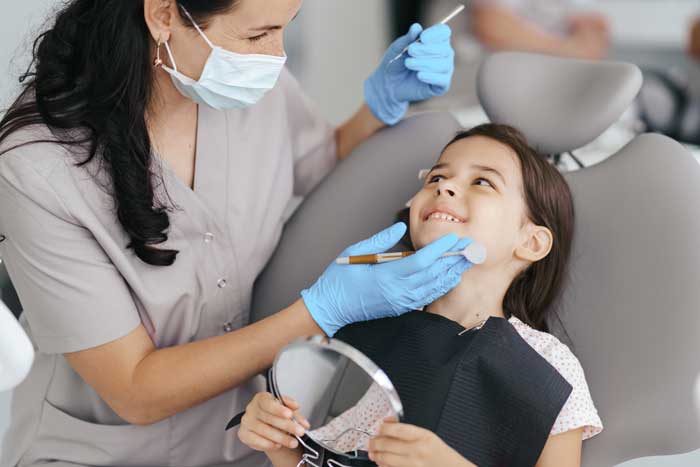
A healthy smile begins with consistent dental care. Although oral hygiene can sometimes be overlooked during a busy day, taking a few minutes to care for your teeth can provide important long-term benefits. Regular brushing, flossing, healthy eating habits, and professional dental examinations all play a role in keeping teeth and gums in good condition.
Good dental care is not limited to treating problems after they appear. Preventive habits can help reduce the likelihood of cavities, gum problems, bad breath, and other common oral health concerns. By developing a practical routine and following professional recommendations, people of all ages can take better care of their smiles.
Create a Consistent Oral Hygiene Routine
Daily brushing is one of the most important parts of maintaining good oral hygiene. Brushing twice a day with fluoride toothpaste can help remove plaque and food particles from the surfaces of the teeth. A soft-bristled toothbrush and gentle technique can provide effective cleaning while being comfortable for the gums.
Flossing should also be part of a regular dental routine. It helps clean between the teeth and along the gumline, where a toothbrush may not reach effectively. Some people may also benefit from additional oral hygiene products recommended by their dental professional.
For individuals seeking professional guidance, a Wicker Park Dentist can provide personalized advice and recommend preventive care based on specific dental needs.
Pay Attention to Your Diet
Food and drink choices can have a direct effect on dental health. A balanced diet containing nutrient-rich foods can support healthy teeth and gums. Calcium-containing foods, vegetables, fruits, lean proteins, and other nutritious options can all contribute to a well-rounded eating pattern.
On the other hand, frequently consuming sugary snacks, sweets, and acidic beverages can increase the risk of dental problems. Reducing sugary drinks and choosing water throughout the day can be a simple way to support better oral hygiene. Drinking water can also help rinse away food particles and keep the mouth hydrated.
Don’t Ignore Regular Dental Appointments
Professional dental care is an important complement to daily brushing and flossing. Routine examinations allow dental professionals to evaluate the condition of the teeth and gums and identify potential concerns at an early stage. Professional cleanings can also help remove plaque and tartar that cannot always be eliminated through normal brushing.
During a dental visit, patients can ask questions about their oral hygiene routine and receive recommendations for improving their home care. Maintaining regular appointments can make preventive dental care easier and more effective.
Protect Your Teeth Between Visits
Taking care of your teeth does not stop after leaving the dental office. Consistent home care is essential for maintaining good oral health between appointments. Brushing and flossing regularly, limiting excessive sugar consumption, drinking water, and avoiding habits that may damage the teeth can all help protect your smile.
It is also important to pay attention to changes in the mouth. Persistent tooth sensitivity, bleeding gums, discomfort, or other unusual symptoms should be discussed with a dental professional rather than ignored
Maintaining a healthy smile is an ongoing process. Small, consistent habits can make a significant difference when practiced every day. A combination of effective home care, nutritious food choices, adequate hydration, and regular professional dental visits provides a strong foundation for long-term oral health.
In conclusion, taking care of your teeth does not have to be complicated. Establishing a dependable oral hygiene routine and receiving appropriate professional care can help keep your teeth and gums healthy. If you are looking for personalized dental guidance, consulting a qualified Wicker Park Dentist can help you develop an approach that fits your individual needs and supports a healthy, confident smile for years to come.